The InstaFire Journey: From Shark Tank Appearance to Multi-Million Dollar Enterprise
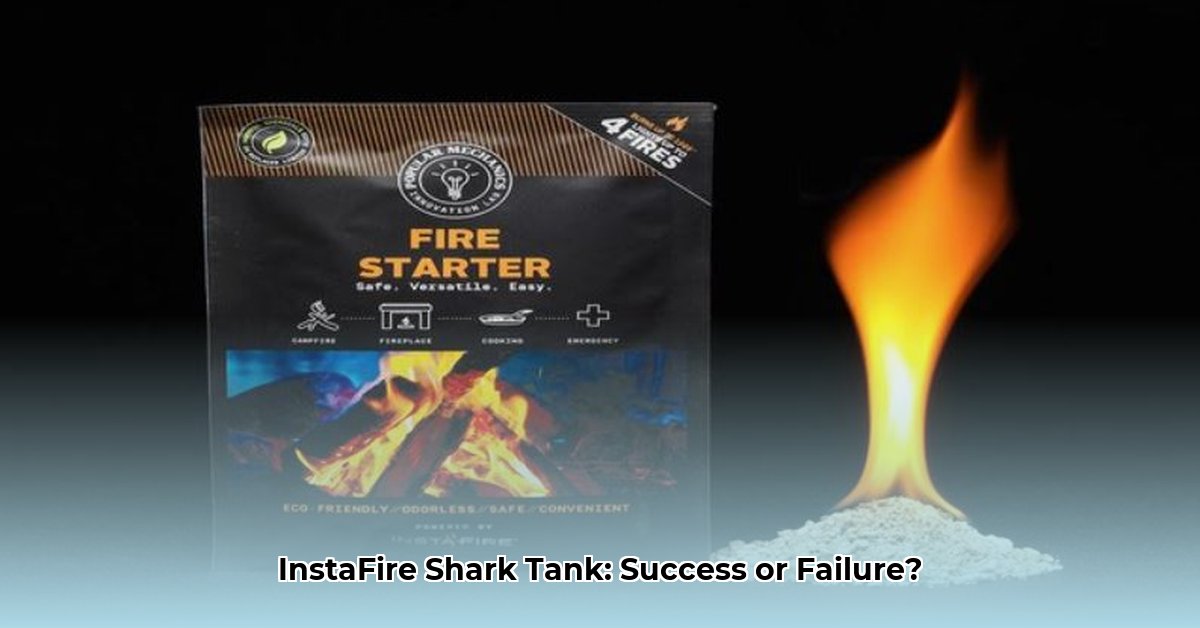
InstaFire's Shark Tank appearance promised explosive growth, but the reality proved far more complex. For similar success stories after a Shark Tank appearance, see this example. This case study examines InstaFire's post-Shark Tank journey, analyzing its successes, challenges, and the factors contributing to its eventual multi-million dollar valuation. We'll explore how an initially underwhelming "Shark Tank effect" transformed into substantial growth, highlighting key strategic decisions and the inherent complexities of scaling a niche product.
Background: A Niche Market with High Potential
InstaFire entered the Shark Tank arena with a novel product line of fire starters, targeting outdoor enthusiasts, survivalists, and emergency preparedness consumers. The initial product focused on a compact, efficient, and eco-friendly fire starting solution. This niche market, characterized by relatively low production costs ($0.13-$0.18 per unit) and higher selling prices ($1.29), presented both opportunities and significant challenges in terms of market penetration and scalability.
Methodology
This case study draws upon publicly available information, including press releases, news articles, and company website data. While complete financial statements are not publicly accessible, the available information allows for a comprehensive analysis of InstaFire's trajectory.
Analysis: From Initial Setback to Strategic Growth
InstaFire's post-Shark Tank performance initially fell short of expectations. While the appearance generated significant buzz, the immediate sales surge was more modest than anticipated (approximately 3,000 orders, compared to projected 100,000-250,000). This highlights the limitations of relying solely on television exposure for rapid growth.
However, InstaFire's response was decisive and strategic. The company leveraged its newfound visibility to secure partnerships with major retailers—Walmart, Target, Home Depot, Lowe's, and Amazon—significantly expanding its market reach. Simultaneously, InstaFire diversified its product line, expanding from two to 31 products, including fuel tablets, matches, and various cooking equipment. This diversification mitigated the risk of relying solely on one product and appealed to a broader customer base.
By 2025, three years after appearing on Shark Tank, InstaFire reported annual revenue exceeding $4 million. Founder Frank Weston’s net worth was also estimated at $7.5 million around the same time. However, the relationship between this figure and the company’s overall valuation remains unclear, given the likely involvement of investors and the complexities of privately held company valuations. This underscores the difficulty in precisely assessing the impact of Shark Tank exposure on InstaFire's financial value. Does the $7.5 million reflect the entire company valuation or a partial one? Further data would be needed for a definitive answer.
Risk Assessment and Regulatory Implications
InstaFire faced several risks, including intense competition, supply chain disruptions, shifts in consumer trends, and potential regulatory changes. These risks are addressed through a diversified supply chain, proactive market research, and continuous product innovation. Although regulatory aspects remain low-impact currently, this may change with evolving environmental regulations impacting production or distribution.
Discussion: Factors Contributing to Success and Failure
InstaFire’s success can primarily be attributed to its strategic response to the initial post-Shark Tank setback. The company leveraged its brand awareness to forge key partnerships, enabling broader market access. Product diversification reduced reliance on a single product and attracted a wider customer base.
However, the lack of detailed financial information limits a complete assessment of valuation. Interpreting the relationship between Mr. Weston’s net worth and the company's overall valuation requires further analysis. The initial underwhelming Shark Tank effect and the difficulties in comprehensively evaluating the company’s financial health underscore the complexities of measuring the impact of such media exposure on a niche product in a competitive market.
Conclusion: Lessons Learned and Future Outlook
InstaFire's journey illustrates the nuanced reality of achieving sustainable growth after appearing on Shark Tank. While initial expectations were not fully met, the company’s strategic response—leveraging partnerships, diversifying its product line, and adapting to market demand—proved highly effective. InstaFire’s success serves as a valuable case study for entrepreneurs, highlighting the importance of proactive adaptation, strategic partnerships, and diversification in building a successful, long-term, sustainable business, even within a niche market. The long-term impact of their Shark Tank appearance remains to be fully seen, but their story undeniably showcases the potential for overcoming initial obstacles and achieving significant growth through strategic planning and execution. More transparent financial reporting would allow for a fuller evaluation of its overall success.
Actionable Insights for InstaFire and Other Entrepreneurs:
- Prioritize Strategic Partnerships: Cultivating relationships with key retailers and investors is crucial for expansion.
- Embrace Product Diversification: Reduce reliance on a single product to broaden appeal and mitigate risk.
- Proactive Market Research: Continuously monitor market trends and consumer preferences to ensure adaptability.
- Transparent Financial Reporting: Share key performance indicators to enhance investor confidence and attract further investment.